
What Is NFC? A Simple Guide to Near Field Communication
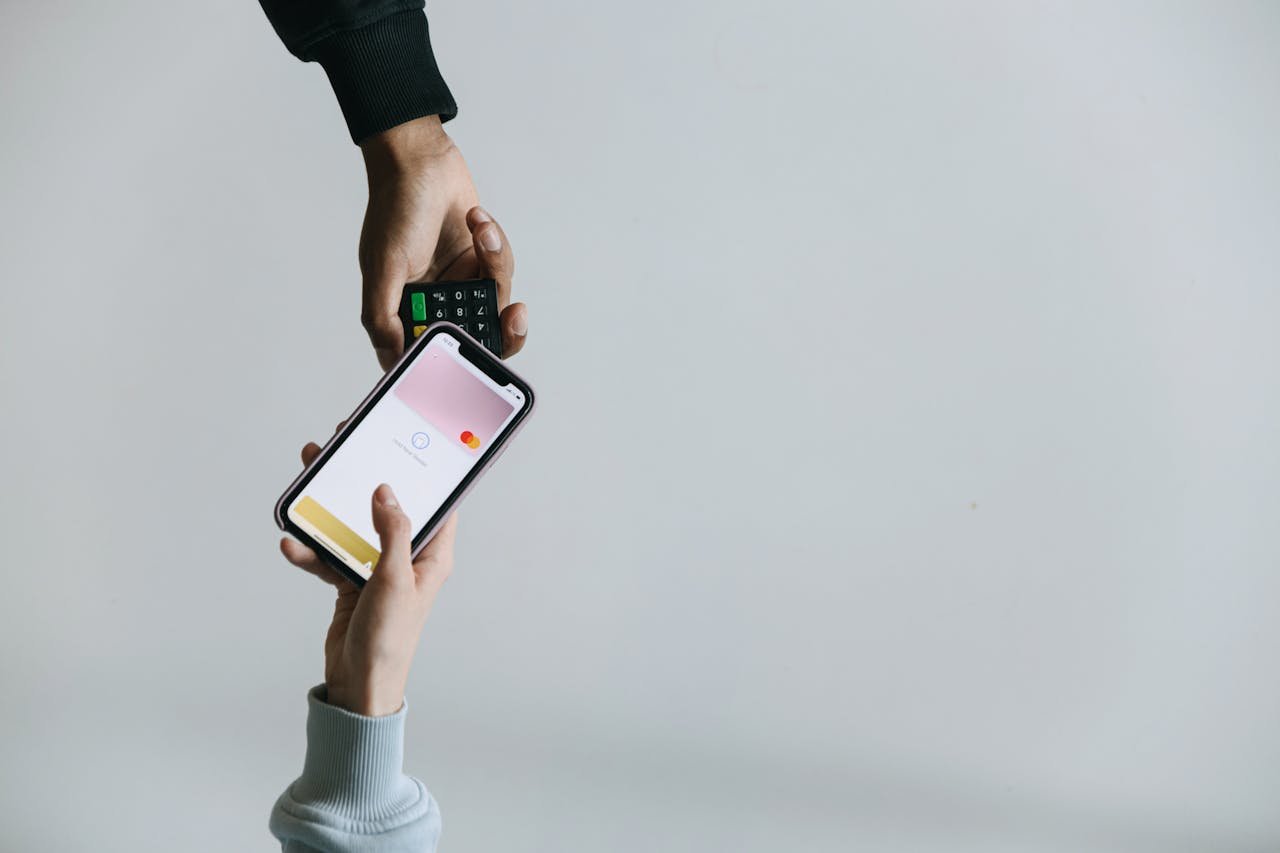
In a world where tapping your phone can pay for coffee, open doors, or transfer files, NFC — or Near Field Communication — is the invisible technology making it all possible.
But what exactly is NFC, and why is it so widely used in modern devices?
Understanding NFC: The Basics
NFC (Near Field Communication) is a short-range wireless communication technology that allows two NFC-enabled devices to exchange data when they are placed close to each other — usually within 4 centimeters (about 1.5 inches).
Think of it as a more secure and shorter-range cousin of Bluetooth or Wi-Fi.
NFC is based on RFID (Radio Frequency Identification), but while traditional RFID is mostly used in tags and tracking, NFC is designed for two-way communication between devices.
How Does NFC Work?
NFC involves two components:
1. Initiator (Active Device): Usually a smartphone or payment terminal that generates an RF (radio frequency) field.
2. Target (Passive Device or Another Active Device): Could be an NFC tag, another phone, or a smart card.
When in range, the initiator powers the target and establishes a connection. Data is transferred using a specific frequency: 13.56 MHz.
What Can NFC Be Used For?
Here are the most common and useful applications of NFC:
1. Contactless Payments
NFC powers services like Apple Pay, Google Pay, and Samsung Pay. You simply tap your phone or smartwatch on a payment terminal to complete transactions securely.
2. Data Sharing
Two NFC-enabled smartphones can exchange small amounts of data, like contact info, photos, or app links, by tapping them back-to-back.
3. Smart Tags
NFC tags can be embedded in posters, products, or stickers. When scanned by a smartphone, they can trigger specific actions like opening a website, connecting to Wi-Fi, or launching an app.
4. Public Transport & Access Control
Many transit systems use NFC for contactless ticketing. Likewise, offices and hotels may use NFC-enabled keycards or phones for access control.
5. Smart Homes and Automation
NFC can trigger automated actions on your phone, like turning on Wi-Fi, opening apps, or adjusting settings, simply by tapping a programmed tag.
Is NFC Secure?
Security is a major concern for any wireless technology. Here's why NFC is considered secure:
Very Short Range: Data can only be transferred if devices are almost touching, reducing the risk of interception.
Encryption and Authentication: Modern NFC applications use strong encryption standards, especially for payment systems.
User Control: Actions usually require user interaction (like unlocking your phone or confirming a payment).
NFC vs. Bluetooth: What’s the Difference?
Feature NFC Bluetooth
Range ~4 cm Up to 100 meters
Power Usage Very low (or passive) Higher than NFC
Speed Lower than Bluetooth Faster data transfer
Pairing Instant (no setup needed) Requires pairing
NFC is ideal for quick, secure interactions, while Bluetooth is better for continuous, longer-range communication.
Final Thoughts
NFC might be invisible, but its impact is tangible. Whether you're tapping to pay, scanning a tag for information, or using your phone as a hotel key, NFC is streamlining how we interact with the digital world.
As more devices and services adopt this technology, expect NFC to quietly power even more parts of your daily life — one tap at a time.